
PRP for Elbow Pain Upper West Side, NYC
Non-Surgical PRP Treatment for Tennis Elbow, Golfer’s Elbow & Chronic Elbow Pain. Turn doorknobs, lift items, and grip objects comfortably again.
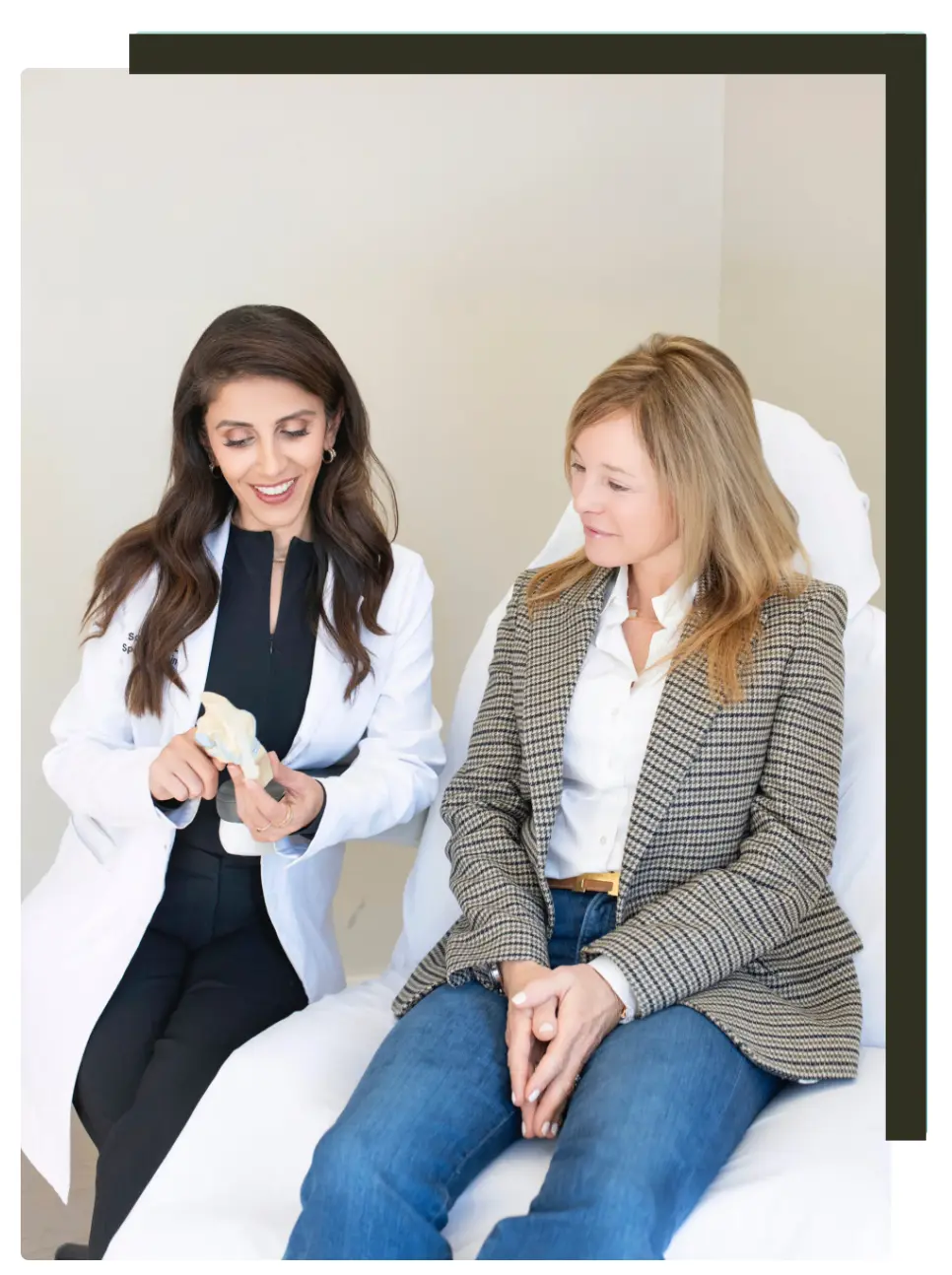
Non-Surgical Elbow Pain Care
Elbow pain can make even simple movements frustrating. Turning a doorknob, lifting a coffee cup, gripping a tennis racket, typing on a keyboard, carrying groceries, or shaking someone’s hand may suddenly become painful. For many patients, elbow pain begins gradually and worsens over time. Others develop symptoms after repetitive strain, sports injuries, overuse, or repetitive workplace activities.
As a physician specializing in musculoskeletal and regenerative medicine, I frequently see patients struggling with persistent elbow pain that has not responded to rest, bracing, medications, physical therapy, or activity modification. In many cases, the problem is not simply inflammation—it is tendon degeneration and tissue breakdown.
I offer Platelet-Rich Plasma (PRP) therapy as a non-surgical treatment option for select patients experiencing chronic elbow pain, particularly those dealing with tennis elbow (lateral epicondylitis), golfer’s elbow (medial epicondylitis), tendon injuries, repetitive stress injuries, and chronic elbow dysfunction. At my Upper West Side practice in Manhattan, I focus on identifying the true source of elbow pain and creating individualized treatment plans designed to support healing, reduce discomfort, and restore function without unnecessary surgery.
What Is PRP for Elbow Pain?
Platelet-Rich Plasma (PRP) is a regenerative treatment that uses components from your own blood to support tissue healing and recovery. Platelets naturally contain growth factors and healing proteins involved in tissue repair. During a PRP procedure, I collect a small sample of your blood and process it to concentrate platelets. That concentrated platelet solution is then injected into the injured or painful area of the elbow.
The goal of PRP therapy is to stimulate a healing response in damaged tissues—especially tendons that have struggled to recover naturally. Unlike treatments focused solely on masking symptoms, PRP treatment for elbow pain may help support tissue repair at the source of the problem.
Common Applications:
The Precision Protocol
Unlike treatments focused solely on masking symptoms, PRP treatment for elbow pain may help support tissue repair at the source of the problem using an image-guided approach.
Comprehensive Evaluation
Listening to your history, when symptoms started, movements triggering pain, past treatments, activity limits, and occupational/sports demands. Musculoskeletal exam evaluates strength, motion, and tendon involvement.
Candidacy Suitability
Determining if PRP makes sense compared to conservative measures like PT or bracing. Explaining what PRP can do, recovery timelines, risks, post-treatment goals, and if repeat treatments are necessary.
Blood Collection
On treatment day, a small blood sample is drawn from your arm, similar to a routine laboratory blood test.
Platelet Concentration
The drawn blood sample is processed in a specialized centrifuge to isolate platelet-rich plasma and concentrate biologically active healing factors.
Precision Injection
Carefully injecting the PRP into the targeted tennis elbow or golfer's elbow tendon structure. Real-time visualization ensures proper placement.
Recovery & Rehabilitation
Post-treatment recovery recommendations involve temporary activity modifications, gradual return to activity, physical therapy guidance, and follow-up monitoring.
Tennis Elbow vs. Golfer's Elbow
Many patients assume elbow pain is caused by inflammation alone, but tennis elbow and golfer’s elbow are often degenerative tendon conditions.
Tennis Elbow (Lateral Epicondylitis)
Affects the tendons on the outer side of the elbow. Despite the name, you do not need to play tennis to develop it. I often see tennis elbow in:
Common Symptoms:
- • Pain on the outer elbow
- • Weak grip strength
- • Pain while lifting objects
- • Discomfort opening jars or turning handles
- • Tenderness near the bony prominence
Golfer’s Elbow (Medial Epicondylitis)
Affects the tendons on the inside of the elbow. Although associated with golf, it frequently develops from repetitive gripping, typing, throwing, or occupational strain.
Common Symptoms:
- • Inner elbow pain
- • Forearm tightness
- • Tenderness along the inside elbow
- • Weakness while gripping
- • Stiffness around the elbow joint
Why Elbow Pain Becomes Chronic
One of the biggest misconceptions about elbow pain is assuming it will simply disappear with time. Many patients spend months—or even years—trying: Rest, Ice, Bracing, Anti-inflammatory medication, Activity modification, Physical therapy, and Cortisone injections.
Sometimes these approaches help. Other times, symptoms repeatedly return. Why? Because chronic elbow pain often involves tendon degeneration rather than temporary irritation. Repeated stress can create tiny microtears within the tendon. Over time, tissue quality may weaken, healing slows, and discomfort persists.
My Comprehensive Diagnostic Approach
When I evaluate elbow pain, I do not simply ask, "Where does it hurt?" I try to determine:
PRP vs Cortisone for Elbow Pain
Cortisone may sometimes provide temporary symptom relief, especially when inflammation is significant. However, chronic tennis elbow and golfer’s elbow are often tendon degeneration problems rather than simple inflammatory conditions.
PRP takes a different approach by supporting tissue repair and healing rather than temporarily masking discomfort. The best treatment depends on the diagnosis, symptom duration, and your individual goals.
Who Is a Candidate for PRP?
- • Chronic tennis elbow or golfer's elbow
- • Persistent symptoms despite conservative treatments
- • Wanting to avoid surgery when appropriate
- • Tendon degeneration or chronic overuse injuries
- • Pain continues after standard therapy or injections
- • Desiring improved function and activity tolerance

Dr. Sonali Lal, M.D.
Board-Certified Physiatrist | 20+ Years Experience
I am Dr. Sonali Lal, a board-certified physiatrist with more than 20 years of experience specializing in musculoskeletal medicine, sports injuries, spine and joint conditions, and regenerative medicine. As an attending physician affiliated with NewYork–Presbyterian Hospital and Assistant Clinical Professor at Columbia University, I focus on non-surgical orthopedic care.
"I understand how frustrating persistent elbow pain can feel—especially when symptoms interfere with work, exercise, sleep, sports, or daily routines. My approach focuses on identifying the true cause of pain, not simply chasing symptoms."
Recovery & Benefits
PRP works by supporting biological healing; progress is typically gradual rather than immediate. Some notice changes within weeks, while others experience continued improvement over several months.
PRP Benefits
• Reduced elbow pain
• Improved grip strength
• Enhanced tendon healing response
• Reduced reliance on medications
• Avoided surgery in select cases
Recovery Process
• Temporary activity modifications
• Gradual return to activities
• Personalized follow-up monitoring
Frequently Asked Questions
Is PRP painful?
Most patients tolerate the procedure well. Some temporary soreness and inflammation are expected because PRP stimulates a healing response.
How long does PRP take to work?
Some patients notice improvements within several weeks, while others experience gradual benefits over several months as healing progresses.
How many PRP treatments will I need?
The number of treatments varies depending on the condition, severity, and treatment goals. Some patients improve after one session, while others benefit from multiple treatments.
Is there downtime after PRP?
Most patients can resume light daily activities relatively quickly, though strenuous activity is usually limited temporarily.
Can PRP help avoid surgery?
In certain mild-to-moderate conditions, PRP may help patients explore non-surgical treatment options before considering surgery. However, not all conditions are appropriate for regenerative therapy alone.
Patient Success Stories
Verified Patient Recovery
Manhattan Elbow & Joint Care
If elbow pain, tennis elbow, or golfer’s elbow is limiting your daily activities, sports performance, or quality of life, a thorough evaluation is the first step.
240 West 73rd Street
New York, NY 10023
Call Office
(212) 404-1009